Key Takeaways
- 1A factory tour in China is not a sales trip — it is a verification exercise
- 2Pre-shortlisting 3 factories before you fly cuts wasted visits by 80%
- 3Seeing the production floor on the day of the visit catches more than any document review
- 4Bilingual accompaniment compresses the sample revision cycle from 6 weeks to 4 hours
- 5Australian businesses that tour factories before placing orders make better-founded decisions
Australian businesses importing from China face a common problem: the supplier looks legitimate in emails and video calls, but the actual factory operation is impossible to verify until you stand on the production floor.
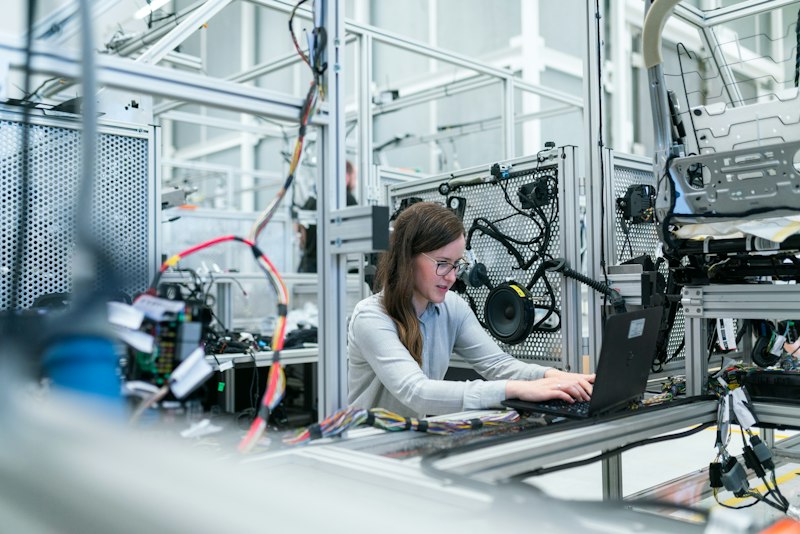
That gap — between what a supplier presents and what actually exists — is where Australian businesses lose money. A deposit paid to a trading company instead of a real manufacturer. A sample that looked perfect in photographs but arrived at the wrong specification. A promised lead time that had no connection to the factory's actual queue.
China factory tours close that gap. But only if they are planned properly.
Why Australian Businesses Should Consider Factory Tours
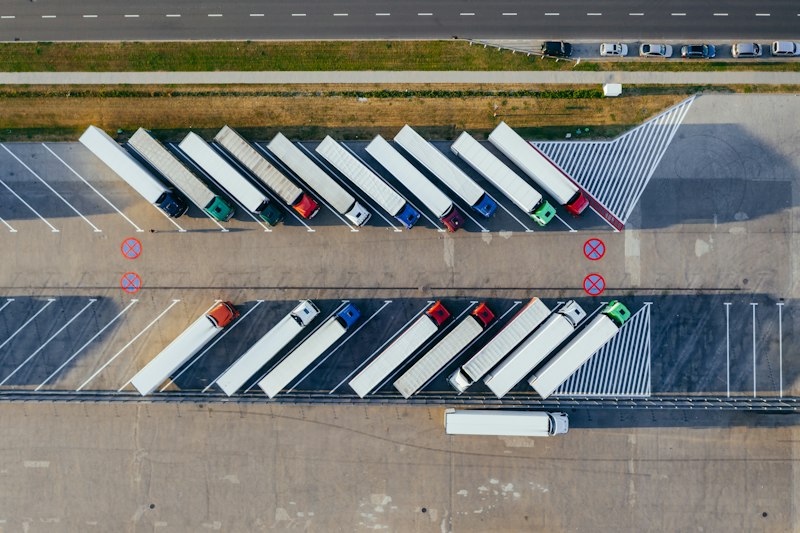
The case for visiting a factory in China before placing an order is simple: the cost of a wrong supplier decision almost always exceeds the cost of the trip.
A typical failed sourcing outcome costs Australian businesses in three ways. First, there is the direct financial loss — deposits that never convert to delivered goods, rework orders that cost twice the original unit price. Second, there are the indirect costs — missed sales windows, customer churn, contractual disputes with your own clients. Third, there is the time cost — weeks of email exchanges, sample revisions, and negotiations that consumed internal resources without producing a result.
None of these outcomes are visible when you are comparing suppliers by quote alone. They become visible when you are on the factory floor, asking to see the production line running that day, and watching how the quality control team operates in real time.
Factory tours work for Australian businesses because they do something no screening tool or document exchange can replicate: they put you in the room with the actual operation.
What a Factory Tour from Australia Actually Involves

A factory tour is not a visit to a showroom. It is a structured verification exercise. Most Australian businesses that get value from tours plan them as such.
The process starts before you book flights. You define your product requirements clearly — specific enough that you can walk into a factory and know within 20 minutes whether they can make what you need. You shortlist three to five factories based on industry directories, trade references, and Canton Fair contacts. You prepare a verification checklist specific to your product category — machine types, QC procedures, packaging standards, compliance requirements.
Then you travel. The visit itself takes two to three hours per factory, typically spread across two or three cities in a five-to-seven-day trip. You are not there to form a final opinion — you are there to gather information. The decision about which supplier to use comes after you have compared at least two factories side by side.
What to do
The most common mistake we see is Australian businesses committing to a supplier on the day of the visit. The tour creates a first impression that feels like a decision point. It is not. The decision happens 48 hours later, after you have processed what you saw and compared it against alternatives.
What to Expect on the Factory Floor
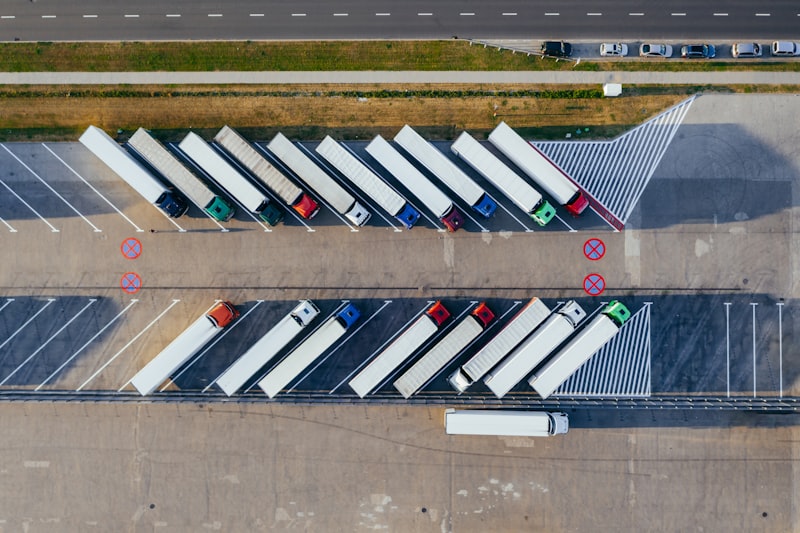
When you arrive at a pre-shortlisted factory, your goals are specific: confirm the operation is real, assess production capacity, evaluate quality systems, and establish whether the supplier communicates like a professional partner.
Start by asking to see the production floor before anything else. The showroom comes later. The floor tells you whether the factory is actively producing, at what scale, and with what equipment. A factory that is running two lines instead of the six they claimed in their brochure is a mismatch that matters — regardless of how polished the sales presentation is.
Watch for three things on the floor that are impossible to assess remotely.
The first is active production. Equipment that is turned off during your scheduled visit requires an explanation. When you ask why nothing is running, the answer matters. A legitimate explanation is possible — factory scheduling varies — but a vague answer should increase your scrutiny.
The second is scale consistency. If the factory claims to produce 10,000 units per month but the floor shows capacity for 1,000, that gap has implications for your order. Subcontracting is not inherently bad, but you need to know about it before you commit, because it changes your quality control approach.
The third is quality control operation. Ask to see the QC area. Ask what percentage of orders fail final inspection. Ask what happens when a batch fails. A factory that has genuine quality systems will answer these questions directly. A factory that is glossing over the issue will give you confident vague answers.
What to do
Ask to see documentation from their last three export shipments before you leave. Any factory with genuine export experience will have this information readily available. If they hesitate, treat it as a signal to dig deeper.
The Pain Points a Factory Tour Addresses
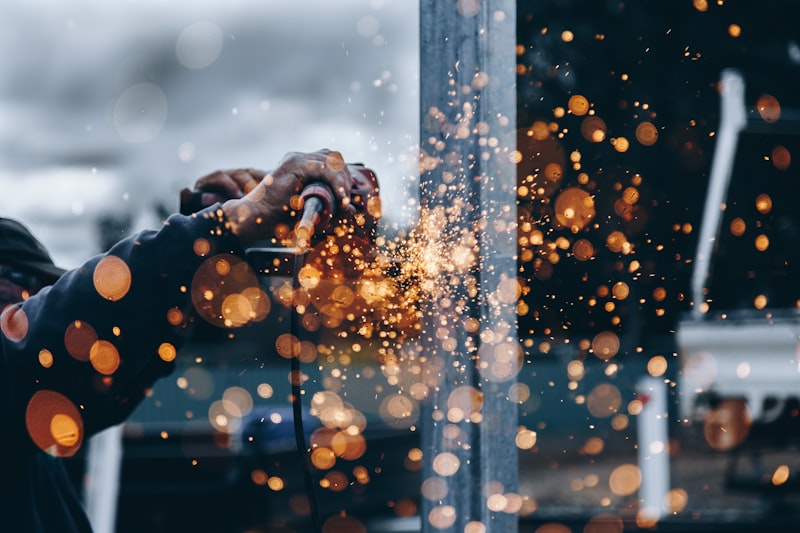
Australian businesses we work with consistently cite three sourcing fears that a well-run factory tour directly reduces.
The first is fraud risk. The specific fear is paying a deposit to a supplier who has no intention of delivering — or who is brokering orders from workshops they do not own. Standing on the production floor and seeing the equipment, meeting the production manager, and watching actual orders in progress addresses this fear directly. It does not eliminate it, but it converts an abstract risk into a concrete assessment.
The second is quality inconsistency. The fear is that samples look one way but production looks another. In person, you can watch a production run and inspect output against your spec while the line is still running. That feedback loop — compressed to hours rather than weeks — is the most practical value a factory tour offers.
The third is communication breakdown. The fear is that a misunderstanding about specifications, timelines, or payment terms will not surface until after shipment. In person, you can resolve ambiguity in real time. You can show a technical drawing and watch the factory manager confirm understanding before you leave the room. That translation of assumptions — not just language, but business defaults — happens best face to face.
How WAG Supports Factory Tours from Australia
Winning Adventure Global coordinates factory tours for Australian businesses across all major manufacturing hubs in China. Our role covers the full lifecycle: pre-visit supplier shortlisting, bilingual on-ground accompaniment, technical due diligence during the visit, and post-trip coordination.
Pre-visit shortlisting is where most independent trips fail. Shortlisting means identifying factories that match your industry, your volume requirements, and your quality standards before you board the plane. This reduces the risk of arriving in Guangzhou or Shenzhen and spending your limited time visiting suppliers who are not suitable.
On-ground accompaniment covers translation and navigation of the visit itself. Our team handles the technical conversation — machine types, quality specifications, compliance requirements — so that you are not relying on the supplier's English-speaking sales staff to translate their own operation. We also manage the logistics: factory appointments, inter-city transport, and the coordination between multiple visits in the same trip.
The due diligence questions we ask on your behalf are the ones that take experience to know. Asking a supplier about their customs rejection history. Probing whether they manufacture the product themselves or subcontract. Testing whether their production manager has authority to make commitments. These are the questions that separate a genuine long-term supplier from a polished trading company.
| Support Component | What It Covers | Why It Matters |
|---|---|---|
| Pre-visit Shortlisting | 2-3 factories matched to your industry and volume | Reduces time-wasting visits to unsuitable suppliers |
| Bilingual On-ground Accompaniment | Technical translation and real-time Q&A on the floor | Compresses the feedback loop from 6 weeks to 4 hours |
| Technical Due Diligence | Production capacity, quality systems, compliance checks | Identifies red flags before deposit is paid |
| Post-visit Coordination | Follow-up negotiations, sample management, next steps | Maintains momentum after you return to Australia |
Related Articles
- China Business Tours for Australian Businesses — The complete 2026 guide to planning your China trip
- 7 Things I Learned Visiting Chinese Factories — Practical insights from 200+ factory visits
- Complete Factory Visit Checklist — Step-by-step verification guide
- How to Verify a Chinese Supplier — The 6-step framework before you commit
Frequently Asked Questions
Why should Australian businesses visit factories in China instead of using a sourcing agent?
A sourcing agent provides a report. A factory tour provides direct observation — you see machines running, workers on the floor, QC processes in action. For Australian businesses making significant purchasing decisions, the difference in information quality is meaningful. A sourcing agent also introduces an additional intermediary; with professional accompaniment, you are building the supplier relationship directly.
How long does a China factory tour take?
A productive factory tour takes five to seven days. This allows time to visit two or three factories in different cities, with buffer for travel, follow-up meetings, and sample review. Shorter trips of two to three days work for focused visits to a specific city or a specific supplier.
When is the best time to visit factories in China?
April and October align with the Canton Fair in Guangzhou, making them the most efficient times to combine trade fair research with factory visits. These months also offer the most comfortable weather for inter-city travel. Avoid Chinese New Year (late January to mid-February) when most factories shut down for two to four weeks.
What if I cannot travel to China myself?
You can engage a local inspection agent in China to conduct a pre-visit audit on your behalf. A halfday inspection report typically costs AUD 200-400 and provides more information than documents and photographs alone. This is not a full substitute for a personal visit, but it is a practical option for early-stage supplier exploration.
How does WAG select factories for Australian businesses?
We shortlist factories based on your product category, volume requirements, and quality standards. Our selection criteria include confirmed manufacturing capability, export experience with Australian or comparable markets, and verified production capacity. We do not recommend factories we have not personally visited.
China Factory Tour
Ready to plan your first factory tour?
WAG shortlists 2-3 pre-verified factories matched to your industry, accompanies you on the ground with full translation, and handles all logistics from arrival to departure.
Start your enquiryFree initial consultation · We respond within 4 business hours