Secondary path · Pre-shipment
Inspect an Existing Order Before It Leaves China
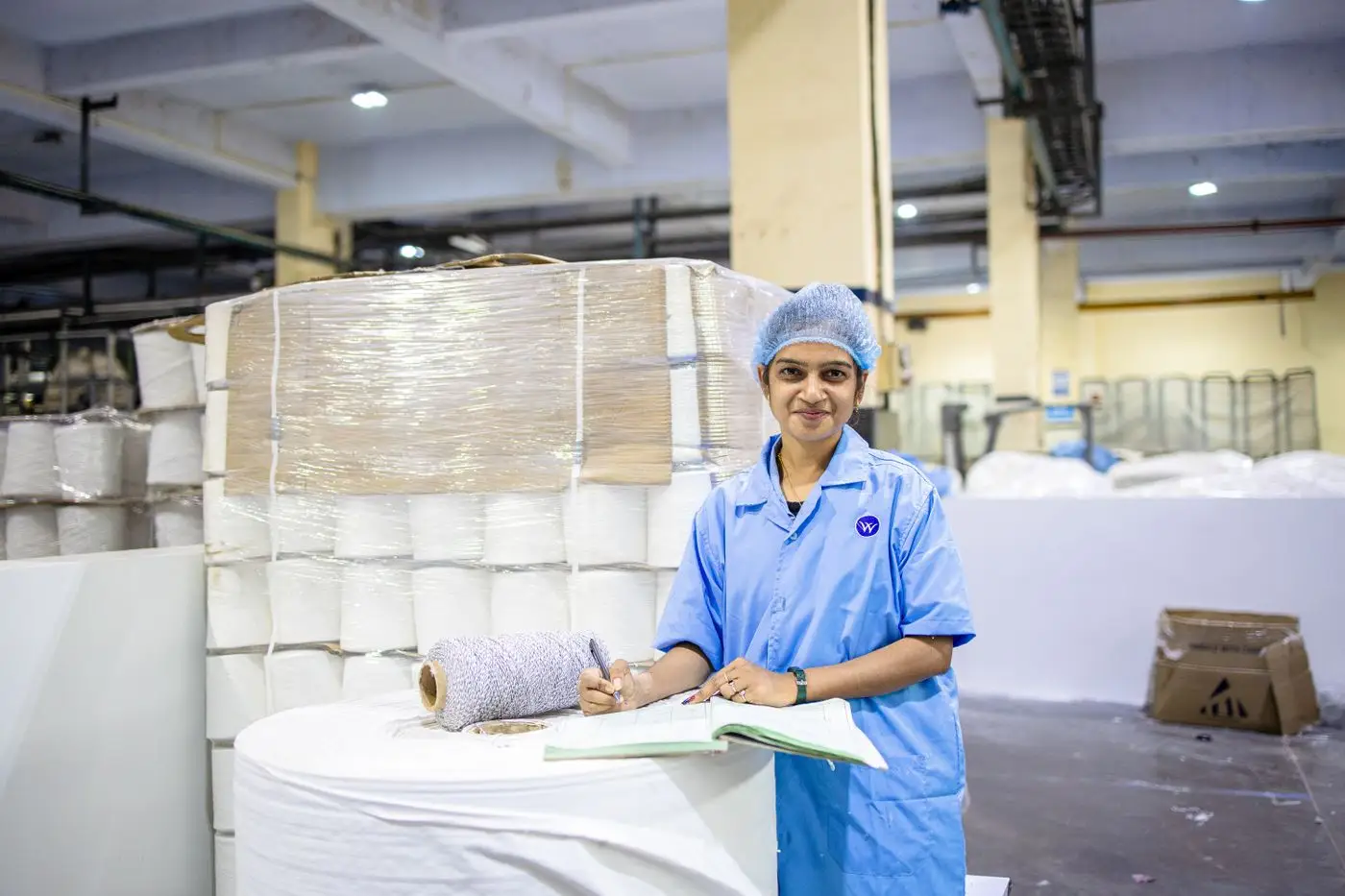
Secondary path inside China sourcing: for an order already placed, we run AQL sampling, functional checks, packaging, and quantity verification on the factory floor. Looking for new suppliers first? Start on services or a priority industry page.
- AQL random sampling (ISO 2859-1 / ANSI-ASQ Z1.4)
- Functional testing & workmanship assessment
- Packaging, labeling & quantity verification
- Photo-documented report with pass/hold/rework decision
Secondary path in China sourcing
This page supports visit or verify — not the primary commercial offer
Primary path for Australian businesses is finding and vetting new suppliers in China. Use this page when you already have a factory contact to assess. For end-to-end agent support (shortlist through shipment), use the China sourcing agent service. For multi-service comparison, start on services or a priority industry page.
Find and vet new suppliers · Visit or verify an existing supplier
Priority industry landings
- AV & LightingFind and vet China AV and lighting suppliers for Australian projects.Open industry page
- Construction MaterialsSource building materials with AS/NZS, NCC, and WaterMark risk in view.Open industry page
- Agricultural MachineryFind farm-equipment suppliers that can clear Australian biosecurity.Open industry page
1,300+
Factories with third-party capability reports
48
Hours to on-site inspection
3
Defect levels: critical, major, minor
25+
Provinces covered
Why it matters
The balance of your payment is due before the container arrives. A pre-shipment inspection is your last checkpoint.
Acceptable Quality Limit (AQL)
Under ISO 2859-1, a standard defect threshold is AQL 2.5 for major defects — meaning up to 5 defective units per 315 inspected may be accepted. Without an independent inspector, that decision is left to the supplier's own QC.
Three defect levels
Critical defects (safety, regulatory — AQL 0), major defects (function, appearance — AQL 2.5), and minor defects (workmanship, finish — AQL 4.0). Each is tracked, photographed, and reported so you know exactly what you are accepting.
You own the decision
A pre-shipment inspection report does not block your shipment — it gives you the evidence to decide: release the goods, request rework, renegotiate, or hold. Without evidence, your only option is to trust the supplier.
How a Quality Inspection Works
Sample Selection (AQL Random Sampling)
When at least 80% of your order is finished and packed, our inspector selects a random sample from the total quantity following the internationally recognised ANSI-ASQ Z1.4 (ISO 2859-1) statistical sampling procedure.
Product Checks & Functional Testing
Every sampled unit is inspected against your specification, approved sample, and purchase order: dimensions, materials, colour, finish, and workmanship. Critical functions are tested on site.
Packaging, Label & Quantity Verification
We confirm that packaging materials, carton markings, labels, barcodes, and packing quantities match your order requirements and are suitable for export.
Documented Report & Shipment Decision
Within 24 hours of the inspection you receive a comprehensive report with executive pass/hold/rework summary, AQL sampling data, photographs of every defect, and a clear recommendation.
Why us
Industry-standard methodology with Australia-based oversight
Every inspection follows the internationally recognised AQL sampling procedure (ISO 2859-1 / ANSI-ASQ Z1.4). Your checklist is customised per product category and confirmed before the inspector visits.
- Standard inspection arranged within 48 hours across Guangdong, Zhejiang, Jiangsu, and Fujian manufacturing regions.
- Custom checklist per order — dimensions, materials, function, packaging, labels, and any special tests you require.
- Container Loading Supervision (CLS) available as an add-on to confirm your goods are loaded correctly and securely.
Not sure when to inspect?
Most of our clients book a pre-shipment inspection when goods are at least 80% finished and packed. But there are earlier checkpoints too:
Quality Inspection FAQs
AQL stands for Acceptable Quality Limit — the internationally recognised random sampling method defined by ISO 2859-1 and ANSI-ASQ Z1.4. It specifies exactly how many items to inspect from your order and how many defects are acceptable at each severity level (critical, major, minor). Using AQL ensures that your inspection decision is statistically grounded, not subjective.
A factory audit evaluates the factory's capability to produce quality goods — it checks equipment, systems, certifications, and workforce. A quality inspection checks the actual finished goods before shipment — are they made to your specification? Most clients use both: audit the factory first, then inspect every significant shipment before release.
If the number of defects exceeds your AQL threshold, the shipment fails. You then have options: (a) request the factory to rework the defects and schedule a re-inspection, (b) negotiate a discount with the supplier and release with the known defects documented, or (c) hold the shipment at the port. Our report gives you the evidence to make that decision with confidence.
Our inspectors can be on site at your supplier's factory within 48 hours of booking in most manufacturing regions (Guangdong, Zhejiang, Jiangsu, Fujian). For more remote provinces we typically schedule within 3-5 business days.
Yes. Before each inspection we send you a checklist based on your product category and purchase order. You can add specific checkpoints — dimensions against a drawing, material verification, a particular functional test, label accuracy, or packaging specifications. The checklist is finalised with you before the inspector visits the factory.
Need secondary-path inspection for a known shipment?
Tell us product, quantity, supplier, and quality requirements. We'll scope inspection as a support step — primary China sourcing still starts with finding and vetting new suppliers.
- AQL random sampling (ISO 2859-1 / ANSI-ASQ Z1.4)
- Functional testing & workmanship assessment
- Packaging, labeling & quantity verification
- Photo-documented report with pass/hold/rework decision